

Unpaid invoices can put pressure on cash flow, payroll and supplier relationships. Debt recovery lawyers Sydney businesses consult can help confirm what is owed, assess the evidence and choose a proportionate path to payment. Acting early often improves the chance of recovery because records are available and the debtor’s financial position may be clearer.
Debt recovery is not simply sending repeated reminders. A business needs to know whether the amount is due, whether the customer disputes performance, whether the contract allows interest or costs, and whether the debtor can pay. Debt recovery lawyers Sydney advisers bring those legal and commercial questions together before recommending a demand, negotiation or court action.
Start with a clear debt file
Gather the signed contract, purchase order, invoices, delivery records, timesheets, acceptance messages, account statements and previous payment history. Record the date each amount became due and identify any credits, part payments or disputed items. A reliable ledger allows your lawyer to distinguish a straightforward overdue account from a genuine contractual dispute.
Check who owes the money. The contracting customer may be a company, trust, partnership or individual, and a director is not automatically personally liable for a company debt. Guarantees, security interests and related entities must be reviewed carefully. Debt recovery lawyers Sydney can help identify the correct debtor and avoid pursuing the wrong party.
A business can also review the unpaid invoice guidance for general information about invoices and tax records. It is a background resource, not a substitute for advice about enforcing a particular debt or preserving legal rights.

Confirm the contract terms
Read the payment clause, interest provision, credit limit, suspension right, retention of title clause and dispute mechanism. Check whether the contract requires a notice before proceedings or specifies a court, governing law or method of service. Website terms and email acceptance may also be relevant if there is no single signed document.
The quality of the underlying transaction matters. If goods were defective, services were incomplete or variations were not approved, the debtor may raise a set-off or counterclaim. Debt recovery lawyers Sydney practitioners can test the claim against likely defences before the business spends more time and money chasing it.
Sending an effective letter of demand
A letter of demand should state the amount claimed, the invoice or agreement supporting it, the due date, any interest claimed and a clear deadline for payment. It should explain what will happen if payment is not made, such as commencing proceedings or considering another lawful recovery option. The language should be firm, accurate and commercially measured.
A demand is more effective when it invites the debtor to identify a genuine dispute promptly. If the debtor needs a short payment arrangement, the business can decide whether a structured proposal is preferable to immediate litigation. Debt recovery lawyers Sydney can draft a letter that preserves the client’s position while leaving room for a practical resolution.
Keep proof of delivery and a copy of every attachment. Use the notice method required by the contract where possible. A vague email sent to an outdated address may not establish that the debtor received the demand or understood the legal basis of the claim.
Responding to a disputed invoice
Do not treat every objection as a reason to abandon recovery. Ask for the precise basis of the dispute, the amount challenged and the documents relied upon. Compare that response with the contract, delivery evidence and prior communications.
If the dispute is genuine, consider whether a site meeting, credit, replacement service or partial payment could resolve the practical issue. If the objection appears tactical, a focused response can set out the evidence and maintain the deadline. Debt recovery lawyers Sydney advisers can help avoid statements that accidentally waive rights or admit a weakness.
Negotiation and payment plans
A payment plan should identify the total balance, instalment dates, payment method, default consequences and whether enforcement is paused while payments are made. Consider whether the debtor should provide security, a guarantee or an acknowledgement of debt. Make sure the arrangement is documented and signed by the person with authority.
Do not accept a small payment without recording how it is allocated. The agreement should state whether interest continues, whether legal costs are included and what happens if an instalment is missed. Debt recovery lawyers Sydney can assess whether the proposed plan improves the recovery prospects or merely delays inevitable enforcement.
Commercial judgement matters. A solvent customer who made a temporary cash flow error may be worth preserving, while a debtor who is moving assets or avoiding contact may require a faster strategy. Recovery decisions should account for the amount owed, evidence, cost, timing and likely ability to pay.
Court proceedings and judgment
If a demand is ignored or the dispute cannot be resolved, proceedings may be considered in the appropriate court. The claim must identify the legal basis, amount and relief sought, and it must be served correctly. The debtor may defend the claim, negotiate after service or fail to respond, leading to a possible judgment in default if the procedural requirements are met.
A judgment confirms the amount legally owing, but it does not guarantee payment. Debt recovery lawyers Sydney can advise on enforcement options, including examination processes, garnishee arrangements, writs or other steps permitted by the relevant court rules. The best option depends on the debtor’s assets, income and business activity.
Considering insolvency processes
Where a company appears unable to pay debts as they fall due, a creditor may ask whether a statutory demand is appropriate. This is a formal insolvency step with strict requirements and serious consequences, so it should not be used as a routine collection letter. An error in amount, service or form can expose the creditor to an application to set it aside.
A personal debtor may raise different issues, including bankruptcy notices and individual insolvency processes. Debt recovery lawyers Sydney advisers should assess the debtor’s legal status, the nature of the debt and the evidence before recommending an insolvency pathway. Threatening a process without a proper basis can damage the claim and the business relationship.
Interest, costs and security
Interest may be recoverable under the contract, legislation or a court order, but the entitlement should be checked before it is added to a demand. The calculation should be transparent, with the relevant rate, period and principal identified. Overstating interest can make a demand easier to challenge.
Legal costs are not automatically recoverable in full. A contract may contain a costs clause, and a court may make a costs order, but recovery is subject to the applicable rules and circumstances. Debt recovery lawyers Sydney can explain which costs are likely to be recoverable and whether the claim is proportionate.
Security can improve a creditor’s position, but it must be created and perfected correctly. Retention of title, personal guarantees and registered security interests each require careful drafting and administration. A business should review these protections when onboarding customers, not only after an invoice is overdue.
Building a better credit control system
Prevention is part of debt recovery. Use written terms, credit checks, clear purchase order requirements, prompt invoicing and automated reminders. Set authority limits so staff know when to pause further work or seek approval for extended credit.
Keep a record of delivery and acceptance at the time of performance. For ongoing services, obtain regular confirmations and address variations in writing. Debt recovery lawyers Sydney can review standard terms and collection procedures so the evidence is stronger if a customer later disputes the account.
The debt recovery resources provide broader context about commercial decision making and business operations. Educational material can support internal training, while a lawyer should handle the legal analysis of a specific debt and enforcement strategy.
Managing debtor communications
Assign one person to manage the account and keep a chronological record of calls and emails. Staff should avoid threats, harassment or statements about reporting that are not legally accurate. Professional communication protects the business and makes later evidence easier to use.
If a debtor asks for more time, request financial information that is relevant and proportionate. Consider a written acknowledgement of the balance, but do not rely on informal promises. Debt recovery lawyers Sydney can help structure communications so the business remains open to payment without losing control of the timetable.
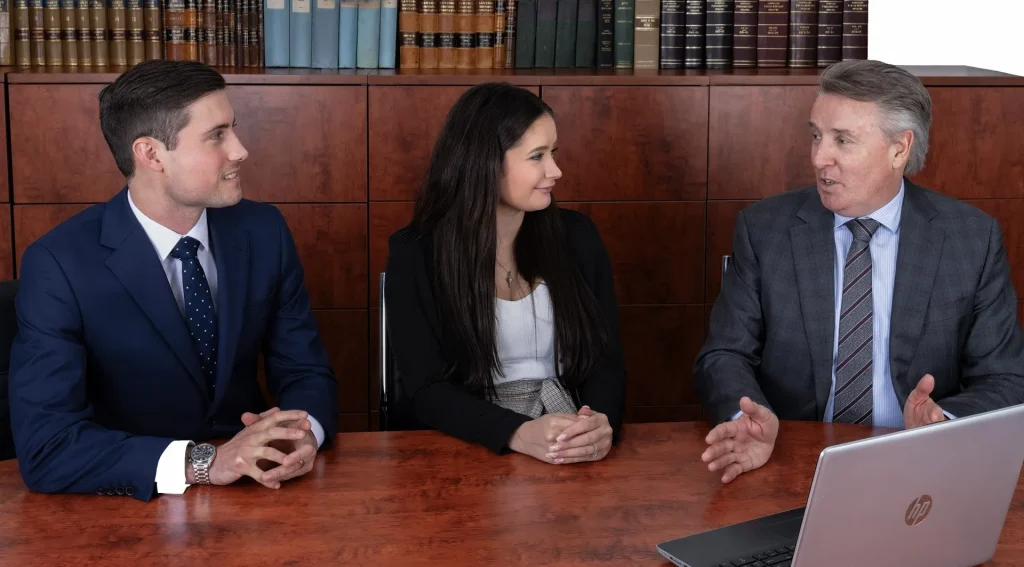
Choosing debt recovery lawyers Sydney
Choose debt recovery lawyers Sydney with experience in commercial invoices, contract disputes and enforcement. Ask how they assess recoverability, when they recommend a letter of demand, how they handle defended claims and what information they need to begin. A lawyer should explain the likely steps in plain language rather than promise a guaranteed result.
The firm should also discuss proportionality. Recovery action may be sensible for a significant debt with strong evidence, but a smaller claim against an assetless debtor may need a different approach. Debt recovery lawyers Sydney can help you compare settlement, proceedings and insolvency options using realistic assumptions. Preparing for the first meeting
Bring a debt schedule, contracts, invoices, account statements, proof of performance, customer communications and details of any security or guarantee. Note every limitation or deadline, including a scheduled project, threatened asset sale or upcoming court date. A complete file allows a faster assessment.
Be clear about the commercial outcome you want. It may be full payment, a reliable instalment plan, return of goods or an orderly end to the relationship. Debt recovery lawyers Sydney should align the legal strategy with that objective while protecting the business from further exposure.
A disciplined recovery strategy
The most effective recovery process combines accurate records, timely communication and a realistic assessment of enforcement. Begin with the contract and evidence, send a precise letter of demand, evaluate any dispute and document every agreement. Escalate only when the legal and commercial case supports it.
Debt recovery lawyers Sydney can help a business move from frustration to a structured plan. Whether the result is prompt payment, a negotiated arrangement, a court judgment or an enforcement step, informed decisions preserve resources and improve the prospect of recovery. Strong credit control then reduces the chance that the same problem will repeat.
About the Author